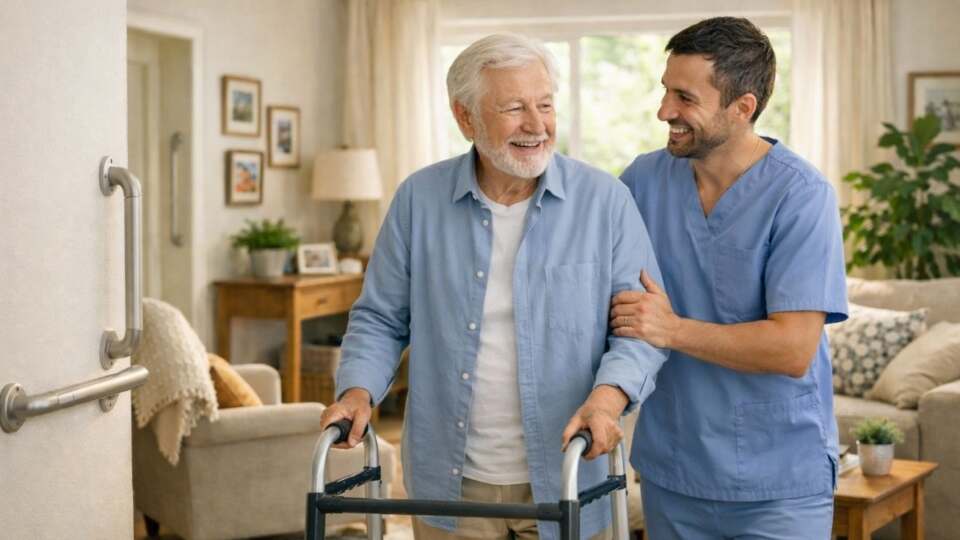
Ensuring seniors’ safety and comfort is a fundamental responsibility of quality caregiving. The environment in which seniors live heavily influences their sense of independence, security, and well-being. Whether families are considering in-home care or looking for an adult family home in Renton, WA, it is critical to address both physical safety and emotional comfort through thoughtful design and support.
When properly structured, living environments can minimize risks, foster meaningful social engagement, and bolster seniors’ sense of autonomy. A compassionate approach recognizes that seniors’ needs evolve with age and capacity, and that a supportive home promotes dignity and contentment. Creating such an environment is an ongoing process rather than a one-time task and requires continuous attention to detail and adaptability.
Optimal senior care includes not only accessibility features but also design elements that foster warmth and community. In addition, practical care strategies, such as attentive communication, opportunities for choice, and regular reassessment of needs, contribute to a nurturing atmosphere. For those considering specialized living options, exploring services such as retirement home care can open the door to tailored support and a higher quality of life.
Understanding Senior Needs
Caregivers and families must first recognize the range of changes that come with aging, including physical, cognitive, and emotional changes. Seniors may experience reduced mobility, slower reflexes, vision or hearing loss, and an increased risk of conditions such as arthritis or dementia. Emotional challenges, such as grief, isolation, or depression, may also emerge following transitions like retirement or the loss of loved ones.
Gaining insight into an individual’s background, goals, and abilities helps shape an environment that is both respectful and responsive. Personalizing care in this manner helps seniors feel seen and valued, which is essential for their mental and emotional health.
Do Read: The Power of Pets in Sober Living Journeys
Implementing Safety Measures
Physical safety is one of the most pressing concerns in senior living environments. The Centers for Disease Control and Prevention highlight that falls are the leading cause of injury among older adults, with millions of incidents occurring annually. Properly addressing these risks not only prevents injuries but also boosts seniors’ confidence in their surroundings.
- Install grab bars and sturdy handrails, especially in bathrooms and along stairways.
- Improve lighting in hallways, entryways, and areas prone to shadows to reduce tripping hazards.
- Remove loose rugs, cords, and clutter from walkways.
- Provide non-slip mats and appropriate footwear at all times.
- Ensure smoke detectors and carbon monoxide alarms are functional and audible.
Some homes benefit from additional technologies, such as medical alert systems, motion-sensor lights, or fall-detection devices. Regularly reviewing possible hazards and discussing safety upgrades with all parties involved is vital for ongoing protection.
Designing Comfortable Living Spaces
Enhancing comfort in a senior’s living environment goes beyond physical arrangements. It is about crafting a space that feels welcoming and promotes positive mental health. Important elements to create this atmosphere include:
- Offering private rooms or personal areas decorated with familiar belongings, photos, keepsakes, or favorite books can promote a sense of identity and comfort.
- Ensuring easy-to-adjust temperature controls to accommodate personal preferences for warmth or cooling.
- Providing access to outdoor spaces, such as garden patios or balconies, where sunlight and fresh air are readily available.
- Establishing quiet areas away from daily noise for restful moments, reading, or reflection.
The Value of Personalization
Allowing seniors to participate in decisions about décor, daily routines, and even meal planning fosters autonomy and gives them a stake in their environment. Such personalization contributes to their sense of home and stability, which is particularly important after any major life transitions.
Promoting Social Interaction
Loneliness and social isolation have profound effects on seniors’ mental and physical health. Organizing and encouraging group activities such as fitness classes, games, art sessions, or shared meals can significantly reduce the risk of isolation. These activities foster a sense of purpose and belonging, while also stimulating the mind and body.
Regular family visits, scheduled phone or video chats, and community outings help seniors stay connected with their loved ones and the broader world. Promoting new friendships and social circles within a living community or care home further strengthens emotional resilience.
Regular Assessments and Adaptations
Seniors’ needs can change dramatically over time due to health status, mobility, or life circumstances. Periodic assessments of both health and environment allow caregivers and family members to proactively address emerging issues. Assessments may involve health screenings, mobility evaluations, or discussing evolving preferences regarding privacy, activity, or routine.
Flexibility and open communication are essential in implementing timely adaptations to a senior’s environment. Adjusting care plans, updating safety features, introducing new social or recreational options, and re-evaluating comfort needs all contribute to ongoing support. Establishing a routine review schedule ensures the environment remains safe, comfortable, and responsive to the senior’s evolving life.
Conclusion
Creating a safe and comfortable environment for seniors is an intricate process that blends awareness, compassion, and practicality. Whether through in-home adaptation or selecting the right care home, the focus should always be on empowering seniors to live as independently, securely, and happily as possible. By understanding needs, implementing robust safety measures, designing nurturing spaces, supporting ongoing social connections, and embracing regular reassessment, caregivers can profoundly enhance seniors’ quality of life and peace of mind.
Want more to read? Visit dDooks