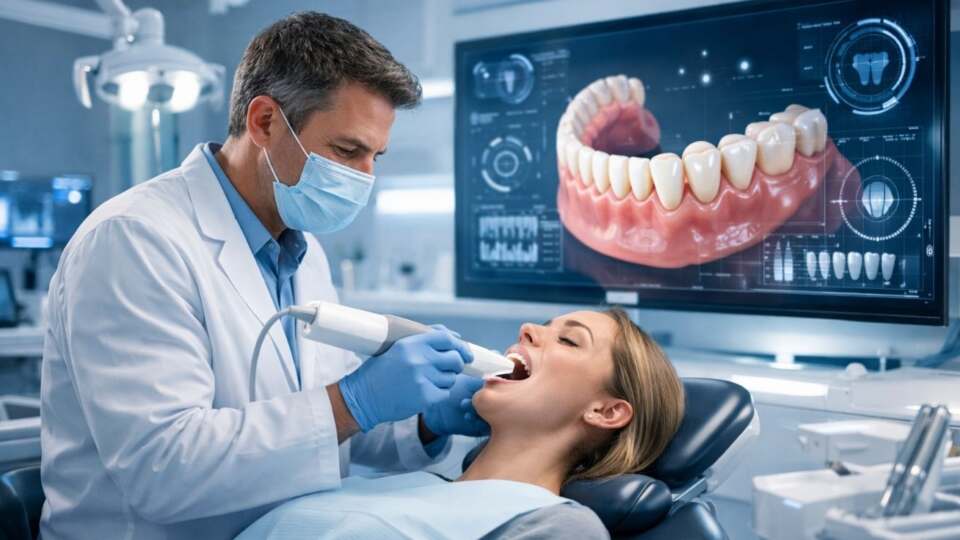
The landscape of dental care has evolved rapidly, shifting from traditional techniques to a high-tech environment powered by digital innovation. Modern dental practices are taking full advantage of new technologies to enhance patient outcomes, improve practice efficiency, and maximize comfort. Whether you need routine checkups or advanced procedures like dental implants, digital tools are transforming how care is delivered and experienced.
From seamless diagnostics and treatment to improved recordkeeping and communication, these breakthroughs are streamlining operations and giving dental professionals more accurate data for personalized care. Patients now benefit from faster appointments, better-quality restorations, and a more empowering approach to oral health management. Forward-thinking dental clinics are not just keeping pace with innovation—they are setting a new standard for excellence in dental health.
Intraoral Scanners and Digital Impressions
Ditching traditional impression trays, intraoral scanners represent a major leap forward for dental diagnostics and patient comfort. By capturing detailed 3D images of the oral cavity, these devices streamline the impression process and enable clinicians to develop highly accurate treatment plans. Patients no longer need to endure messy molds, and dentists gain a far more precise representation of oral structures for restorative and cosmetic work. Studies by the American Dental Association show that intraoral scanning improves operational efficiency and diagnostic reliability.
Furthermore, the integration of these scanners with practice management software is enhancing communication between dental teams and dental laboratories. Digital files can be shared instantly, ensuring faster turnaround for lab-fabricated restorations and reducing the risk of errors caused by the physical transportation of molds. As a result, both staff and patients benefit from reduced wait times and more predictable results, while the environmental impact of disposable impression materials is diminished. The adoption of this digital approach also facilitates better education, as patients can visualize 3D models of their teeth and become more involved in their care decisions.
CAD/CAM Systems
Computer-Aided Design and Computer-Aided Manufacturing (CAD/CAM) systems allow dental professionals to design and produce restorations in-house. Restorations such as crowns, bridges, and veneers can now be crafted within a single visit, thanks to the direct integration with digital impressions. These innovations reduce the need for multiple appointments, shave weeks off turnaround times, and help ensure a perfect fit. Dental practitioners benefit from greater control, while patients get back to their routines more quickly.
Innovation in CAD/CAM materials also means that dental restorations are becoming stronger, more natural-looking, and longer-lasting. With software updates and improved interfaces, even complex dental prosthetics can be customized with remarkable ease and accuracy. The digitization of workflows also boosts collaboration, enabling multiple specialists to contribute to a single case efficiently, ensuring optimal patient-centric outcomes.
3D Printing in Dentistry
3D printing takes customization to the next level in modern dentistry. Dentists are now able to create dental models, surgical guides, crowns, and even clear aligners using highly sophisticated printing technology. This shift has dramatically reduced costs and waiting periods for dental appliances while enhancing their precision and comfort. The versatility of 3D printing also supports the production of durable, biocompatible materials, allowing for more effective treatment outcomes. For more insights, the Forbes Tech Council explores how 3D printing is revolutionizing healthcare, including dental applications.
One major advantage is rapid prototyping, where dentists can produce temporary restorations or adjustment guides in minutes rather than days. Innovations in printable materials have made it possible to create resilient, aesthetically pleasing dental prostheses tailored to each patient. Additionally, 3D printing supports surgical planning for complex cases, allowing clinicians to practice procedures on accurate physical models before working on the patient, thereby minimizing risks and maximizing procedural success.
Artificial Intelligence in Dental Care
Artificial Intelligence (AI) continues to play an expanding role across the dental care spectrum. AI-based image analysis boosts the accuracy of identifying cavities, gum disease, and other oral health issues by detecting subtle patterns in dental X-rays that may be missed by the human eye. In addition, AI-powered patient management and communications support more targeted, personalized care, improving treatment adherence and overall satisfaction. As diagnostic and predictive analytics advance, AI is poised to deliver even greater value for both clinicians and patients.
Emerging AI systems are beginning to automate aspects of clinical documentation and administrative work, freeing dental teams to focus more on hands-on care. These systems can also anticipate appointment scheduling needs, flagging patients who may need recalls. With robust data analysis, practices can refine preventive care strategies and clinical protocols, leading to continually higher standards of evidence-based care.
Teledentistry and Remote Monitoring
Teledentistry bridges the gap for patients in rural or underserved communities, making dental consultations accessible from virtually anywhere. Secure video calls and digital transmission of X-rays or images enable dentists to offer preliminary diagnoses, treatment planning, and post-operative follow-ups. Combined with wearable and remote monitoring devices, patients receive ongoing care and education, often without having to travel to a clinic. These advances promote proactive oral health management, leading to earlier intervention and improved outcomes. The Nature Journal discusses how remote health technology is improving access worldwide.
Teledentistry systems may also integrate with mobile applications, empowering patients to self-monitor for changes in their oral health, such as gum inflammation or tooth sensitivity. These tools can help identify problems before they progress, reducing emergency visits and the need for extensive treatments. In response to challenges from global health crises, teledentistry has proven its value in maintaining continuity of care while minimizing exposure risks for both patients and providers.
Cloud-Based Electronic Health Records
The move toward cloud-based Electronic Health Records (EHR) has centralized patient data, streamlining coordination among dental professionals and other healthcare providers. With a secure, unified platform, practitioners can easily access comprehensive patient histories, supporting better-informed decisions while minimizing duplicate data entry and errors. This approach is particularly valuable for dental practices integrated with community health networks, supporting efficient, holistic care management.
Cloud connectivity ensures that patient information is updated in real time, facilitating smooth cross-referrals and multi-specialty collaboration. Additionally, enhanced cybersecurity measures protect sensitive health data, ensuring compliance with privacy regulations. Dental teams can also take advantage of analytics features provided by modern EHRs, uncovering trends that inform practice improvements and population-level approaches to reducing dental disease.
Patient Engagement Tools
Modern patient engagement tools are fostering stronger relationships between dental clinics and their patients. Features like automated appointment reminders, online scheduling, patient portals, and educational resources improve communication and convenience. Telehealth solutions allow patients to get quick check-ins or follow-up advice, ensuring they remain proactive about their oral health. These tools lead to increased appointment attendance, better treatment adherence, and higher satisfaction rates.
Educational modules, sent via email or app notification, keep patients informed about preventive practices and post-treatment care. Feedback and satisfaction surveys delivered digitally enable clinics to gather actionable insights for service improvements. By facilitating two-way communication and encouraging patient involvement, these tools not only enhance loyalty but also empower individuals to take greater control of their lifelong oral wellness journey.
Conclusion
Digital innovation is reshaping the dental industry across every touchpoint, from diagnostics and treatment to patient education and record management. Dental practices that adopt these technologies are able to deliver better clinical outcomes, improve patient comfort, and operate more efficiently. As the digital transformation of dental care continues, patients and providers alike will experience significant benefits in the quality, accessibility, and effectiveness of care.
This ongoing digital evolution points toward a future in which preventive, restorative, and cosmetic dental care are more precise, convenient, and patient-centered than ever before. As adoption spreads, new technological breakthroughs, ranging from smart toothbrushes to virtual reality-assisted procedures, are poised to further revolutionize dental health experiences. Ongoing professional training ensures dental teams remain at the forefront of these changes, ultimately supporting healthier, more confident smiles in communities everywhere.
Want more to read? Visit dDooks