The field of dentistry is currently undergoing a remarkable transformation, with innovations continually raising the bar for patient care and accessibility. Today’s dentist is at the forefront of this revolution, leveraging cutting-edge technologies and creative practices to provide superior outcomes. Dental advancements are not just making treatments more efficient and effective; they are also creating positive, comfortable experiences for patients, leading to greater trust and more regular engagement with oral healthcare. More importantly, these developments are fostering preventive approaches that view oral health as an integral part of overall wellness, tying dental care directly to broader health outcomes and long-term quality of life. Patients, now more informed than ever, have higher expectations of their dental care providers, pushing the industry toward continually improving standards of treatment and patient experience.
Technological advancements are transforming patient expectations in dental care, with a demand for minimally invasive treatments and innovative methods that facilitate quicker recovery. Eco-friendly approaches are now mainstream, reflecting a broader sustainability trend in healthcare. Clear communication fosters patient engagement in their dental health, leading to better outcomes. The profession is adapting to these shifts, resulting in a patient-centric and future-oriented dental care industry.
Advancements in Dental Technology
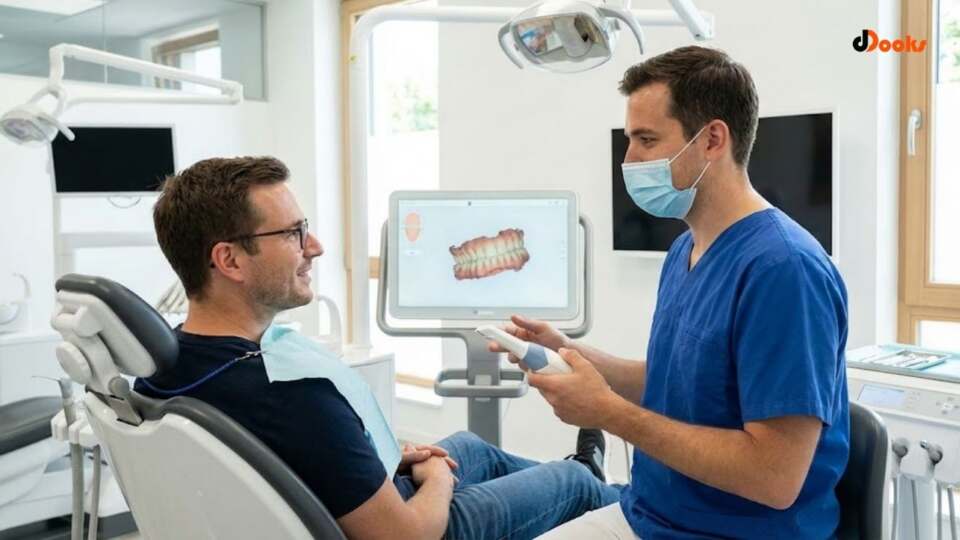
Digital dentistry has become the backbone of the industry, with tools like CAD/CAM systems allowing for same-day crowns and veneers. Dentists can digitally scan a patient’s mouth, design a restoration, and fabricate it on-site, all within a matter of hours rather than days or weeks. This not only speeds up the treatment process but also ensures an exceptional fit that feels comfortable and looks natural, significantly reducing discomfort and the frequency of follow-up visits. Similarly, 3D printing technology has dramatically changed the efficiency of creating custom dental implants, orthodontic aligners, and surgical guides, delivering precise results at a fraction of the traditional cost and wait time. These devices, when paired with digital impressions, enhance accuracy, reduce errors, and improve long-term durability. For further reading on the latest technological trends in dentistry, visit Healthline.
Minimally Invasive Procedures
The era of loud dental drills is fading as laser technology becomes more widespread, offering pain-reduced alternatives to many traditional procedures. Dental lasers can precisely and selectively remove decayed or diseased tissue, reducing trauma to surrounding healthy structures. This not only helps minimize bleeding during procedures but also accelerates healing after treatment, reducing discomfort and swelling. Lasers are used to treat gum disease, perform teeth whitening, and even perform biopsies and remove benign lesions with heightened accuracy and safety. For patients who dread the thought of needles and drills, these less invasive technologies provide a much more comfortable and stress-free experience, which can significantly reduce anxiety associated with routine and advanced dental procedures. Especially for children, older people, or individuals with special needs, these gentle approaches to oral care can encourage a more positive relationship with dental health for life.
Eco-Friendly Dentistry
As modern dental practices adapt to new challenges, sustainability and environmental responsibility have taken center stage. Dental offices worldwide are transitioning to eco-friendly materials, reducing single-use plastics, using mercury-free fillings, and implementing recycling programs for dental products. The adoption of digital record-keeping and communication not only improves efficiency and security but also dramatically reduces the need for paper, thus saving trees and decreasing waste. Many dental clinics now use energy-efficient lighting and water-saving appliances, further minimizing their ecological footprint. These environmentally conscious choices benefit both the local community and the planet, reflecting a broader trend in healthcare toward eco-friendly operations. According to the American Dental Association, environmentally responsible dental care can also enhance practice reputation and patient satisfaction by aligning with the growing preference for sustainability in all areas of business. For more details on sustainable practices and their benefits, consult the ADA’s Green Dentistry Guidelines.
Do Read: Affordable Dental Care for Families: Strategies and Resources
Artificial Intelligence in Dentistry
Artificial intelligence (AI) is rapidly becoming a core element in dental clinics, acting as a powerful analytical tool that interprets digital scans, X-rays, and complex patient histories. AI-driven diagnostic tools are exceptionally skilled at detecting subtle changes that could indicate early cavities, gum disease, or an increased risk of oral cancer, sometimes before symptoms are even visible to the human eye. These insights enable dentists to design highly targeted, preventive treatment plans, reducing the likelihood of secondary infections and improving the long-term effectiveness of restorations, crowns, and implants. AI-powered scheduling and communication tools help dental offices predict cancellations, streamline appointment booking, and deliver timely reminders and post-procedure education to patients. By empowering dentists and supporting administrative staff, AI helps dental practices provide more timely, precise, and personalized care, thereby boosting patient satisfaction and overall health outcomes.
Patient Education and Communication
The modern dental office places a high priority on making information accessible and easy to understand for all patients. Using interactive 3D models, animations, and educational videos, dentists can demystify complex dental procedures, explain proper oral hygiene routines, and describe the benefits of preventive care. These visually engaging tools foster stronger communication and trust between dentist and patient, ensuring that each leaves the office with a clear understanding of their treatment options and home care practices. Improved patient education empowers individuals to take proactive control of their oral health, leading to better long-term habits and reducing the likelihood of developing preventable dental conditions. Additionally, technology-driven communication supports ongoing engagement between visits, such as through personalized emails, online appointment scheduling, and remote consultation tools. If you are interested in learning more about patient education in the dental setting, see the CDC’s overview on oral health education.
Preventive and Holistic Dentistry
One of the most exciting shifts in modern dentistry is the increased focus on preventive strategies and holistic health. Dentists now routinely screen for risk factors that connect oral health to broader bodily systems, such as the relationship between gum disease and cardiovascular conditions or diabetes. By recognizing early warning signs, dentists can work in tandem with other healthcare professionals to deliver coordinated care that supports overall health. Comprehensive wellness check-ups, dietary and lifestyle counseling, and in-depth patient education serve as the cornerstone of this progressive approach. This modern, whole-body outlook ensures that oral health is not considered in isolation but as part of overall physical and emotional well-being, delivering long-lasting results and reducing long-term healthcare costs.
Conclusion
As technology, patient priorities, and global concerns continue to shift, the field of dentistry responds with agility and vision. Modern dentists are uniquely positioned to combine scientific innovation and compassionate care in ways that benefit both the patient and the broader community. With advanced treatments, patient-centered education, digital solutions, and a greener approach to healthcare, the future of dentistry promises healthier smiles and better lives for everyone. These advancements ensure that preventive care, minimally invasive procedures, and comprehensive wellness remain the central pillars of dental practice, setting the stage for a healthier and more sustainable future for all.
Want more to read? Visit dDooks