


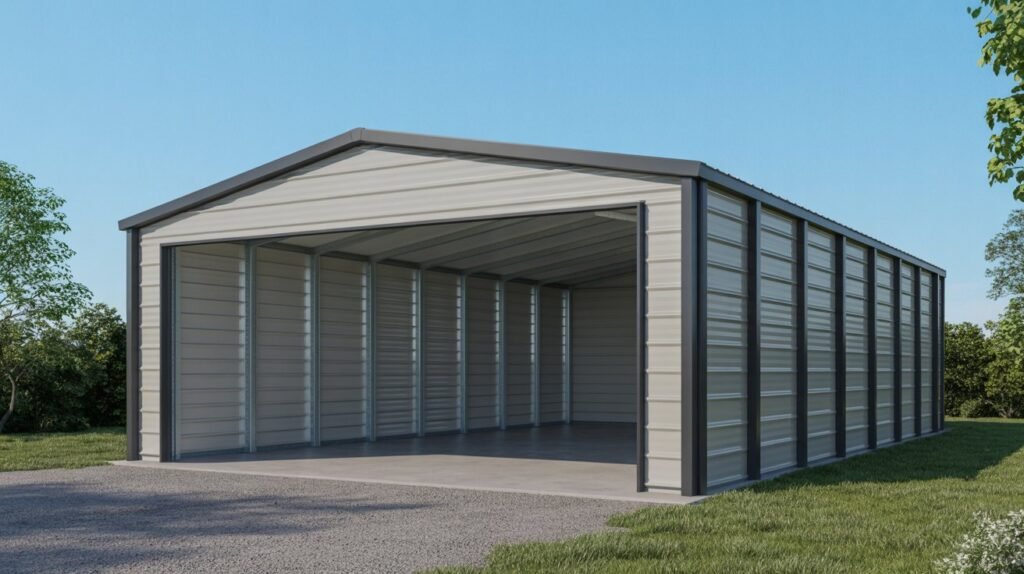
Choosing the proper steel structure for your backyard or workspace is a significant decision. It’s more than just picking a design; it’s about matching your lifestyle, storage demands, and daily activities. If the building is too small, you’ll quickly run out of space. Too large, and you’re spending extra on unused square footage.
When considering garage buildings, size and layout are the primary factors to consider. These elements affect everything from how efficiently you move around to how much you can store. This article guides you through selecting the ideal dimensions and arrangement for your steel structure, without the stress.
Evaluate Your Purpose and Daily Use
Start with your purpose. What will you be using the space for? A simple storage unit has very different needs from a functioning workshop. If you plan to park vehicles inside, consider how many and what types you will be parking. Measure them and leave room for doors to open fully.
Think beyond vehicles. Will you have workbenches, shelves, or machinery? Even if you’re only planning to store equipment now, future upgrades or new tools may demand more space later. Planning with expansion in mind is an innovative approach. It saves you from having to modify or rebuild.
Measure the Space on Your Property
Your available land plays a massive role in determining the building’s final size. Walk the property and take notes. Pay attention to natural features, such as slopes, trees, fences, or utility lines, that could obstruct your path. Don’t forget to check zoning or local setback rules.
Once you understand your space, map it out on graph paper or a design app. Visualizing how your steel structure fits in your yard helps avoid mistakes. Make sure there’s room for driveways or walk paths around the building, too. Extra space makes access easier and improves functionality.
Match Height to Your Equipment and Needs
It’s easy to overlook vertical clearance. Height affects how you move inside, what you can store, and future upgrades. Will you install lifts or need room for shelving units? Plad, even if you don’t need that space now.
Also, check the door height and width. Standard garage doors may not be suitable for large trucks or RVs. If you’re unsure, go bigger; it’s easier to work with more headroom than not enough. A good ceiling height creates an open and breathable workspace.
Choose a Layout That Matches Your Workflow
Layout is just as important as size. Open spaces work well for workshops or creative projects. Divided zones are better suited for multi-purpose use, such as storage and repairs. Keep pathways clear and organized.
Sketch how you’ll move inside the structure. Where will the tools go? Will you need a separate area for loud tasks? Consider electrical outlets, lighting, and ventilation early in the design process to ensure optimal functionality and efficiency. These features become more difficult to add later and can impact how you utilize each corner.
Plan for Storage Without Sacrificing Function
Storage can fill up fast. To keep your space functional, plan it from the start. Wall-mounted racks, ceiling-mounted hooks, and cabinets save floor space. Utilize corners effectively; many people overlook their value.
Leave some empty wall space if you expect your needs to grow. Consider adding a loft if your structure is suitable for it. A raised platform adds storage while leaving the central area open. Always leave a margin for surprise purchases or equipment upgrades.
Selecting the right size and floor plan comes down to purpose, space, and future flexibility. A well-designed structure will support your current projects and grow with your changing needs. When thoughtfully planned, garage buildings provide practical value, lasting durability, and a space you’ll enjoy using every day. They’re more than just structures; they’re reliable spaces built to support your goals.
Want more to read? Visit dDooks.
