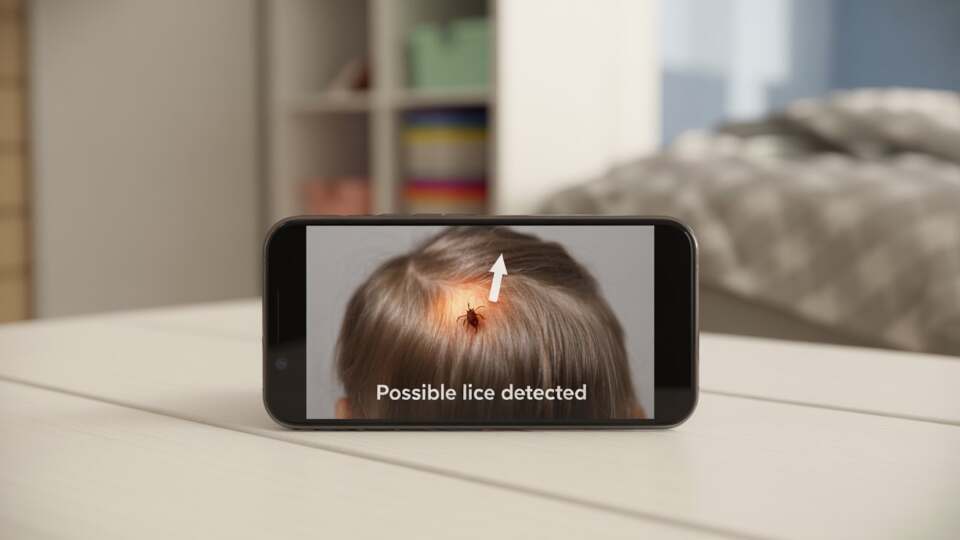
Head lice may seem like a small issue, but for many families they can quickly become overwhelming. Once lice spread within a household, parents often spend hours dealing with combs, shampoos, and laundry piles. The biggest frustration is usually how late the problem is detected. By the time it’s noticed, infestations have often spread. This raises an important question: could digital detection tools help catch lice before outbreaks spiral out of control?
The Struggles Families Face With Lice
Missing the Early Signs
Lice hide extremely well. Nits resemble dandruff, and unless someone knows exactly what to look for, the signs are easy to miss. Scratching is often dismissed as dry skin, but by that point lice may already have spread.
Treatments That Don’t Always Work
Many people turn to drugstore shampoos, only to find that lice return after multiple rounds of treatment. Research shows that lice are often resistant to common chemicals. The cycle of wasted money, time, and effort leaves families feeling helpless.
The Role of Technology
The Promise of Smarter Solutions
New tools are emerging, such as apps that analyze scalp photos for lice detection and smart combs with built-in sensors that can identify or even neutralize lice. These innovations aim to make early detection more accessible.
Providing Peace of Mind
Unlike chemical shampoos, these tools are designed to reduce exposure to harsh substances. A device that can give reassurance—confirming a child is lice-free or detecting lice early—could be a real game-changer for families.
The Reality Check With Tech-Based Lice Detection
Too Expensive for Many Families
The downside is that these tools are often costly. Professional heat machines for lice removal are far beyond most household budgets, and even smart combs come with high price tags. For families with limited resources, access remains difficult.
Not Always Accurate
Accuracy is another concern. False positives can cause panic, while false negatives can allow lice to spread further. Without reliability, trust in these tools remains limited.
How These Tools Could Actually Help
A First Step, Not the Only Step
Even with limitations, digital tools could still provide an important first line of defense. Early warnings can give families a head start in addressing infestations before they escalate.
Applications in Schools
Schools could also play a role by using digital lice checks as a preventive measure. Quick scans by nurses could help identify problems early, protecting dozens of families from widespread outbreaks.
Telemedicine for Quick Answers
There is also potential in telemedicine. Families could upload photos and receive quick confirmations from professionals, reducing the stress of constant second-guessing.
What Still Needs to Change
Making Tools Affordable
For these technologies to be widely adopted, affordability is key. If smart combs and detection apps were accessible to most families, they could become standard household items.
Improving Accuracy
Advancements in artificial intelligence could make these tools more reliable, analyzing images under varying conditions. Greater accuracy would build the trust needed for adoption.
Building Community Support
Public health programs and schools could partner to share these tools, ensuring that families without resources can still benefit from early detection.
Key Takeaways on Lice and Technology
Lessons Learned
Lice spread much faster than many expect, and by the time itching starts, infestations are often already established. Technology may not solve everything, but it can provide valuable time to act sooner.
Balancing Hope With Reality
Digital detection tools offer promising support but are not a complete solution. They work best alongside regular checks, proper hygiene, and professional guidance. Still, they provide hope that future outbreaks can be managed more effectively.
Conclusion
Early detection through digital tools could be the missing link in public health prevention. While they cannot replace careful observation or medical expertise, they can give families something invaluable—time. Time to act before lice spread, disturb sleep, and disrupt daily routines. The future of lice prevention may lie in blending technology with community and family care. If tools become more accurate, affordable, and widely available, the fight against lice could finally shift from constant frustration to proactive prevention.
Want more to read? Visit dDooks.