


Most people think about nine-to-five jobs, weekend shifts, maybe overnight security guards or hospital nurses when they picture night work. Few consider the people who answer phones at 2 AM when someone’s parent has just died, or who prepare viewing rooms before sunrise, or who stay late because a family needs more time to say goodbye.
The night shift at funeral homes operates in a world most people never see. It’s where logistics meet compassion, where practical necessities unfold during hours when the rest of the world sleeps. And the people who work these hours have perspectives on life, death, and human connection that might surprise you.
The Philosophy of Always Available
Death doesn’t observe business hours. Heart attacks happen at midnight. Car accidents occur at dawn. Hospice patients pass away at 3 AM. Someone needs to answer when families call during these moments, and that someone needs to be ready not just to pick up the phone, but to provide genuine support.
Jake worked removal services for eight years, primarily overnight. His job involved transporting deceased individuals from hospitals, homes, and accident scenes to funeral homes. “People think it’s creepy or depressing,” he says. “But I always saw it as being there when families needed someone most. You’re often the first professional they interact with after loss. How you handle those minutes matters.”
This availability requires a specific mindset. It’s not like emergency medicine where adrenaline drives action. It’s quieter, more personal. Night shift workers in this field develop an ability to be instantly present and compassionate regardless of when their phone rings.
The Logistics Nobody Thinks About
Planning a funeral involves hundreds of details, and many of them must happen outside regular business hours. Bodies need to be prepared. Flowers need to be arranged. Rooms need to be set up. Technology needs to be tested. All of this often happens after midnight.
Maria manages operations at a mid-sized funeral home and regularly works until 2 or 3 AM. “A service might be scheduled for 10 AM, which means everything needs to be perfect by 9:30 when the first family members arrive,” she explains. “But we often don’t know final details until late the night before. Maybe the family is still deciding on clothing. Maybe photographs for the memory board arrive at 11 PM. We adapt.”
This adaptation requires not just flexibility but also deep knowledge of the entire operation. Night shift workers often work alone or with minimal staff. They need to troubleshoot technical problems, handle unexpected family requests, and make judgment calls without immediate supervision. It’s a level of autonomy that attracts people who thrive on responsibility.
Building Trust in Quiet Hours
Something interesting happens in the middle of the night. Social inhibitions lower slightly. People become more honest, more vulnerable, more willing to share difficult truths. Night shift workers become confidants by default.
Robert, who has answered after-hours calls for fifteen years, notices this pattern constantly. “Families will tell you things at 11 PM they’d never say during a scheduled daytime appointment,” he observes. “Maybe it’s because they’re exhausted. Maybe night feels more private. Either way, you hear the real questions.”
These conversations shape how funerals ultimately unfold. A late-night admission that the deceased had a difficult relationship with certain family members might influence seating arrangements. A quiet confession that money is tighter than the family wants to admit leads to conversations about affordable options.
The Unexpected Community
Night shift workers across industries form unique bonds, and funeral service is no exception. There’s a shared understanding among people who work while others sleep, who see the world at its quietest.
This community extends beyond individual funeral homes. Night shift workers often know their counterparts at hospitals, emergency services, even late-night diners that stay open.
“We look out for each other,” says Jennifer, who started working nights after her children grew up. “There’s a restaurant near three different funeral homes that’s open 24 hours. Around 2 AM, you’ll often find several of us there, taking a break, swapping stories.”
Managing the Emotional Weight
Working overnight in funeral service means encountering death repeatedly during hours when most psychological defenses are down. Everyone’s tired. Emotional regulation becomes harder. The work can accumulate in ways that daytime jobs don’t quite match.
Successful night shift workers develop strategies. Some maintain strict boundaries between work and home. Others integrate the experience more fully into their worldview. Many find meaning in being useful during society’s most vulnerable hours.
“I don’t take it home with me,” explains Marcus, who works removals and preparation. “When I clock out, that’s it. I’ve learned to compartmentalize. But while I’m working, I’m completely present.”
Others find the work transforms their perspective. “I appreciate life differently now,” says Linda, who coordinates night services. “I’ve seen how quickly everything can change. It makes me more patient with my family.”
The Skills Nobody Teaches
No training program fully prepares someone for midnight phone calls from newly grieving families. The technical aspects, certainly: how to properly handle remains, how to complete paperwork, how to coordinate with hospitals. But the human elements require learning through experience.
Night shift workers develop acute reading skills. They learn to hear what families aren’t saying. They recognize when someone needs space versus when they need company.
They also become exceptional problem-solvers. When equipment fails at 1 AM and the service is at 10, there’s no calling a manager. You figure it out. When a family arrives unexpectedly outside scheduled hours, you welcome them.
Why They Stay
High turnover plagues many industries, but people who find their place on night shift in funeral service often stay for years, even decades. When asked why, their answers reveal something important about human motivation.
“I’m good at this,” says Thomas simply. He’s worked nights for twelve years. “Not everyone can handle it. But I can, and I like knowing I’m doing something that genuinely helps people during impossible times.”
Others appreciate the autonomy, the quiet, the escape from office politics and daytime drama. Some simply prefer nighttime’s rhythm, finding it matches their natural energy patterns better than conventional schedules.
Almost everyone mentions the families. Despite the sadness inherent in the work, helping people navigate grief provides deep satisfaction. “You’re there for the worst day of someone’s life,” explains Catherine. “But you can make that day slightly less awful.”
The Hidden World
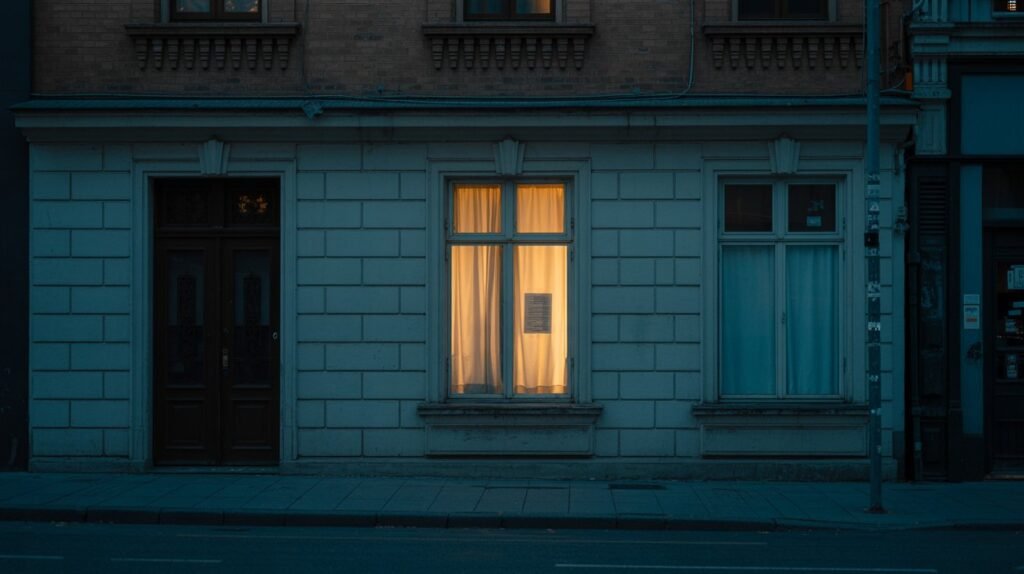
Next time you pass a funeral home at night and see lights on, remember there are people inside doing essential work that never makes headlines. They’re answering phones, preparing spaces, coordinating details, and being available for families who need help during hours when most of us are sleeping.
They’ve chosen work that requires being present for others during the darkest times, literally and figuratively. And while most people never think about this hidden world of overnight care, the families who need it during impossible hours are profoundly grateful it exists.
Want more to read? Visit dDooks.
