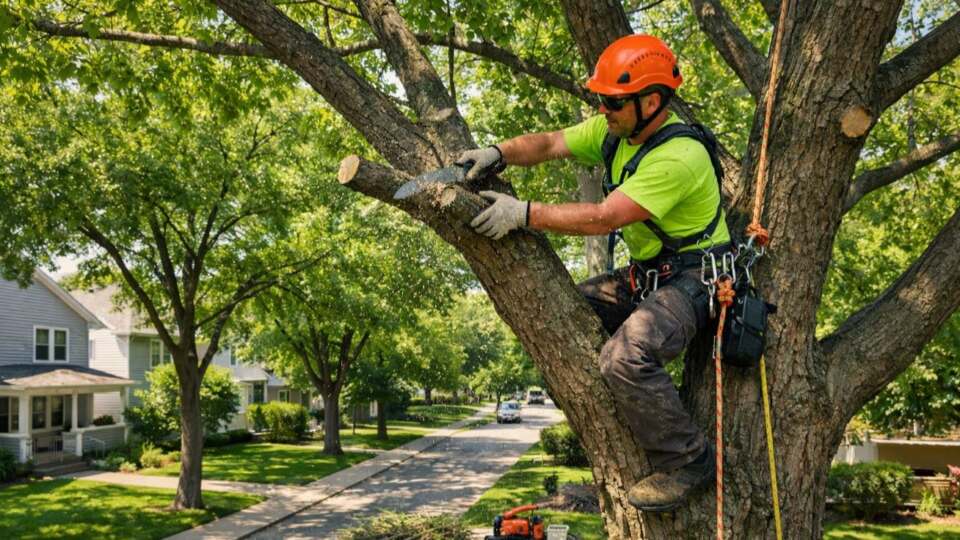
Trees are a defining feature of West Milwaukee’s neighborhoods, providing aesthetic value, shade for homes and sidewalks, and a reliable habitat for birds and other wildlife. Healthy trees also play a pivotal role in improving air quality, absorbing carbon dioxide, and lowering local temperatures during Milwaukee’s hottest months. Well-maintained trees not only enhance the value of personal property but also contribute to the community’s overall resilience to environmental stressors, benefiting all residents.
For property owners and residents who want to maximize these benefits and ensure the ongoing safety and attractiveness of their trees, partnering with a trusted tree service in West Milwaukee, WI is essential. Crawford Tree & Landscape Services, Inc., stands out in the Greater Milwaukee area for its comprehensive knowledge of local tree species, commitment to preservation, and certified team of arborists. The company offers expert services in pruning, disease management, emergency response, and long-term care plans, making them a leading authority for all tree care concerns throughout West Milwaukee and beyond.
Seasonal Tree Maintenance Practices
Effective tree care in West Milwaukee requires attention to seasonal needs. Each part of the year brings a different set of priorities:
- Spring: Examine trees for signs of winter-related injuries. Prune away damaged or crossing branches to foster new growth and shape.
- Summer: Water trees deeply during dry periods. Inspect leaves and bark for pests or disease symptoms, taking action at the first sign of trouble.
- Fall: Apply a fresh layer of organic mulch to buffer roots from winter cold and inhibit weed growth. Rake away fallen leaves that may harbor disease.
- Winter: Young or newly planted trees benefit from protective trunk wraps. Avoid piling snow or de-icing salts at the base to prevent damage.
Consistent seasonal practices can help ensure West Milwaukee’s urban canopy continues to thrive year after year, while also reducing the risk of costly or dangerous tree failures during storms.
Common Tree Diseases and Pests in the Area
West Milwaukee’s climate and urban environment can leave trees vulnerable to a variety of insect pests and diseases. One of the most notable threats is the emerald ash borer, an invasive beetle that has devastated the area’s ash tree population. Early identification, such as noticing thinning canopies or unusual bark splitting, can make a critical difference in treatment success.
Do Read: How to Choose the Right Size and Layout for Your Steel Garage
- Emerald Ash Borer: Regular inspection and targeted insecticide treatments may save healthy ash trees if action is taken early.
- Oak Wilt: This aggressive fungal pathogen causes rapid wilting and discoloration in oak trees. Immediate intervention, such as removing affected branches and avoiding pruning during risk periods, helps contain its spread.
Homeowners should remain vigilant throughout the growing season and rely on local extension resources or expert guidance to help identify and manage threats before substantial damage occurs.
Pruning Techniques for Healthy Growth
Proper pruning plays a central role in ensuring trees grow with strong structure, are resilient against storms, and have reduced disease risk. There are several main techniques to consider:
- Thinning: Selectively remove inner branches to promote air flow and light penetration, which supports overall tree vigor.
- Cleaning: Regularly cut away dead, diseased, or broken limbs to disrupt pests and halt the spread of illness.
- Raising: Remove lower limbs that impede driveways, sidewalks, or building access, ensuring safety for people and vehicles.
Pruning is best performed late in winter or early spring for most species, limiting stress and avoiding peak periods when disease transmission is likeliest.
Soil and Mulching Best Practices
Robust, nutrient-rich soil is fundamental to tree health. Simple steps, such as annual soil testing, can alert homeowners to phosphorus, potassium, or pH deficiencies that may impact tree vigor. Mulching is equally important: a layer of shredded bark or wood chips around a tree’s dripline conserves moisture, insulates against harsh temperatures, and minimizes weed competition.
Avoid piling mulch directly against the trunk, as excess moisture retention at the base can promote rot and attract insects.
When to Seek Professional Tree Services
While routine tasks like watering and raking are manageable for most residents, there are times when bringing in certified experts is the safest and most cost-effective choice. Complicated removals near structures or power lines, diagnosis and targeted treatment of sick trees, or swift cleanup after severe weather all benefit from the skills and equipment provided by seasoned professionals.
Choosing an ISA Certified Arborist ensures work meets industry standards and keeps your landscape’s trees thriving for decades to come.
Community Initiatives and Resources
West Milwaukee is recognized for its investment in urban forestry. The city’s Forestry Services division manages nearly 190,000 street trees, and residents can access support for tree planting, species selection, and pest monitoring. Community tree planting events, workshops, and grant programs are regularly offered, encouraging everyone to contribute to growing the local canopy.
For the latest updates on upcoming events and resources, visit the city’s forestry services page or attend a neighborhood meeting to learn how to get involved.
Frequently Asked Questions
How often should I water my trees?
Newly planted trees need deep watering each week, including during drought. Mature trees benefit from thorough watering when rainfall is scarce, always allowing soil to dry slightly between sessions.
Can I prune my trees year-round?
Light pruning may be done at any time, but major cuts or shaping should be scheduled when trees are dormant, typically late winter or very early spring, to minimize the risk of pests and diseases.
What should I do if I suspect my tree is diseased?
Don’t delay. Contact a certified arborist for a professional diagnosis. Early detection offers the best chance for saving the tree and preventing the issue from spreading to nearby plants.
Is it necessary to mulch around my trees?
Yes, properly applied mulch stabilizes root temperature, retains moisture, and deters weeds, all of which are key for healthy urban trees.
How can I support local tree planting initiatives?
Participate in neighborhood tree plantings and regular volunteer cleanups, or consider donating to programs dedicated to expanding West Milwaukee’s green spaces.
Want more to read? Visit dDooks.