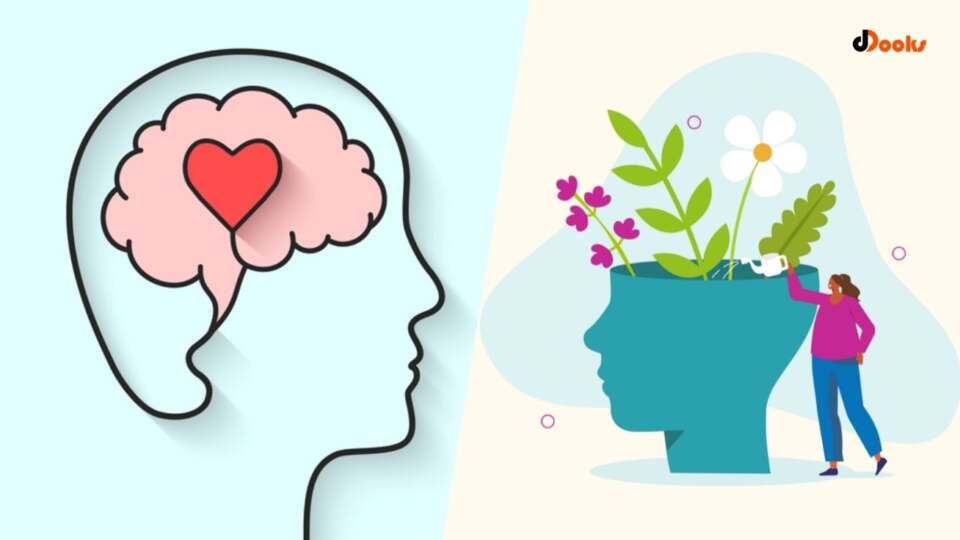
Mental health is a spectrum, and care should adapt to individual circumstances and needs. Recognizing the right level of support can lead to meaningful changes in one’s well-being. Whether you are navigating an immediate crisis or seeking ongoing guidance, understanding the full array of care options enables you to make informed decisions for yourself or your loved ones. Local resources, such as mental health treatment in Colorado Springs, can provide a supportive environment to guide you through this journey.
Everyone’s path to mental wellness is unique, with some requiring intensive intervention and others benefiting from community-based or therapeutic support. Knowing where you fit on this spectrum helps you access strategies, therapies, and professionals suited to your specific goals, concerns, and recovery. Ultimately, this tailored approach maximizes your chances for stability, healing, and resilience.
Inpatient Psychiatric Hospitalization
Inpatient psychiatric hospitalization provides 24/7 supervision for those in a mental health crisis, especially if they are at risk or need a highly controlled setting. Patients receive continuous monitoring, crisis intervention, medication management, and initial recovery steps from a multidisciplinary team. Stays are usually short, aimed at stabilizing symptoms. After discharge, planning ensures support and follow-up care in less intensive settings. NAMI offers resources on inpatient care.
Residential Treatment Programs
Residential treatment programs offer an immersive, supportive environment for those who require a greater degree of care but do not need hospitalization. Participants live at the facility, engage in daily therapeutic activities, and learn coping strategies for long-term recovery. Services often include individual and group therapy, family counseling, skills training, and recreational therapy. The goal is to build resilience, promote positive behavioral patterns, and facilitate a gradual return to independent living.
These programs are ideal for people struggling with severe anxiety, depression, substance use, or eating disorders who have not responded well to outpatient care alone.
Do Read: The Part of the NDIS Most People Only Notice When It Goes Wrong: NDIS Plan Management in Real Life
Partial Hospitalization Programs (PHP)
PHPs serve as a bridge between inpatient hospitalization and outpatient therapy. Individuals attend structured therapy and activities during the day and return home or to a supportive environment at night. This format allows for intense therapeutic input while enabling people to maintain some aspects of their daily routine.
PHPs often include psychiatric assessments, medication management, group therapy, and regular progress evaluation. These programs are particularly beneficial for individuals recently discharged from an inpatient unit or those who need more support than outpatient care can provide. As recommended by experts at the American Psychological Association, step-down programs like PHPs help smooth the transition while maintaining therapeutic momentum.
Intensive Outpatient Programs (IOP)
IOPs offer comprehensive support several days a week but do not require overnight stays. Patients participate in individual, group, and family therapy, learning practical skills to manage urges, symptoms, and challenges. IOPs are designed for individuals who need a higher level of care than traditional outpatient therapy, yet are stable enough to live at home.
Commonly used for substance use, depression, anxiety, and trauma, IOPs encourage accountability and offer peer support in a flexible, accessible format. They are also useful for individuals transitioning from a higher level of care, providing ongoing structure as they progress in recovery.
Outpatient Therapy
Outpatient therapy is one of the most common forms of mental health care. It involves regular sessions, typically weekly or biweekly, with a mental health professional such as a psychologist, psychiatrist, or licensed counselor. Outpatient therapy can address mild to moderate mental health issues and incorporates a variety of evidence-based approaches such as cognitive-behavioral therapy (CBT), dialectical behavior therapy (DBT), and family counseling.
This level of care provides ongoing support for managing stress, navigating life transitions, and addressing chronic conditions, enabling individuals to maintain their usual routines and commitments.
Mental Health Coaching
Mental health coaching differs from clinical therapy by focusing on personal growth, goal-setting, and the development of coping strategies in areas such as stress, relationships, work-life balance, and parenting. Certified coaches help identify obstacles, set achievable goals, and keep individuals motivated and accountable. Sessions are collaborative and practical, with homework between sessions to foster real-world improvement.
This approach is suitable for those experiencing mild to moderate challenges who want guidance and a structured path forward but do not require clinical intervention.
Support Groups
Support groups provide emotional connection and understanding in a safe, structured setting. They can be peer-led or professional, focusing on issues like addiction, grief, mood disorders, or chronic illness. Participation reduces isolation and boosts hope by linking individuals facing similar challenges. Sharing stories builds resilience and belonging, key for long-term mental health. For more, see Mayo Clinic resources.
Choosing the Right Level of Care
Choosing the right level of mental health care depends on assessing your symptoms, history, and circumstances. Consulting a mental health professional can help determine the best setting for recovery. Consider your comfort with group or individual care, daily functioning, and support system. Needs may change over time, and shifting levels of care is common. Understanding these options ensures you or your loved one gets appropriate, timely support, promoting lasting mental wellness.
Conclusion
Mental health care exists on a continuum, from inpatient stabilization to outpatient therapy and coaching, each vital for safety, growth, and stability. Organizations like NAMI, APA, and Mayo emphasize personalized, evidence-based approaches. Understanding options and seeking professional guidance help individuals and families make informed choices, fostering resilience and sustainable mental wellness.
Want more to read? Visit dDooks