


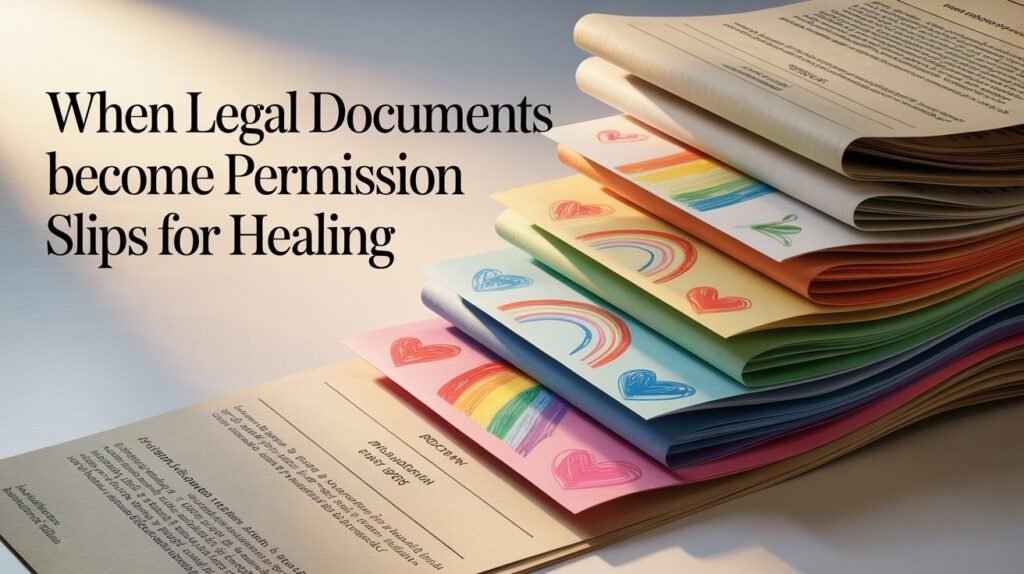
Legal documents appear cold, formal, and constraining. They’re filled with “heretofore” and “party of the first part,” reducing complex human relationships to numbered clauses and stipulations. Yet experienced family lawyers recognize something remarkable: these apparently restrictive documents often become the very instruments that set people free. Not free from legal obligations, but free from emotional paralysis, toxic patterns, and self-imposed limitations.
The Signature That Changes Everything
Every family lawyer remembers specific clients whose entire demeanor shifted the moment they signed final documents. Before signing, these individuals remained tethered to their former relationships through anger, hope, fear, or unfinished business. After signing, something was released. Their shoulders dropped. Their voices lightened. The perpetual tension in their jaws softened.
This transformation isn’t about celebrating relationship endings. Rather, it reflects something deeper: many people need formal permission to stop fighting, stop hoping for reconciliation, stop explaining themselves, and start building new lives. The legal document provides that permission with an authority that friends, therapists, and self-talk cannot match.
When Structure Becomes Freedom
It seems counterintuitive that adding rules creates freedom, yet family lawyers witness this phenomenon constantly. A comprehensive parenting plan with clearly defined schedules, decision-making protocols, and communication guidelines doesn’t restrict good parents. Instead, it liberates them from constant negotiation, manipulation attempts, and boundary violations.
One parent stops sending manipulative texts because the agreement specifies communication happens through a co-parenting app. Another stops canceling plans due to last-minute schedule change requests because the document establishes clear protocols. The structure paradoxically creates space for genuine connection with children rather than perpetual conflict with ex-partners.
Family lawyers in Melbourne and globally understand that this structured freedom particularly benefits people leaving controlling or high-conflict relationships. The legal document becomes a shield, giving them permission to say “no” when they’ve spent years unable to establish boundaries. The paper speaks when they cannot find their voice.
Permission to Stop Caretaking
Many people, particularly those who’ve played caretaking roles in their relationships, struggle to stop managing their ex-partner’s emotions, solving their problems, or protecting them from consequences. They know intellectually they should establish boundaries, but guilt and old patterns persist.
The finalization of legal documents grants permission to stop. The marriage is over. You’re no longer responsible for your former spouse’s happiness, financial decisions, or emotional regulation. This sounds obvious, yet countless people need the formal decree before they truly believe they can step back.
Family lawyers see clients transform when they finally accept this permission. They stop answering late-night calls about non-emergencies. They allow their ex-partner to experience the natural consequences of poor planning. They redirect relationship conversations to appropriate topics only. The legal document validates what they previously felt too guilty to implement.
The Permission to Prioritize Yourself
Relationship endings, particularly those involving children, often trap people in self-sacrifice narratives. They believe that good parents never prioritize their own needs, that healing must wait until children adjust, that pursuing personal happiness demonstrates selfishness.
Finalized legal agreements signal something important: you’re allowed to rebuild your life now. Not eventually, not after some undefined healing period, but now. You can pursue that career change. You can relocate for better opportunities. You can date. You can redesign your living space to reflect your authentic taste rather than compromised preferences. You can invest in your own therapy, education, and growth.
The legal document doesn’t just end the old relationship. It formally begins your new chapter, giving you written permission to prioritize your own wellbeing without guilt.
Freedom from the Reconciliation Fantasy
Some people remain emotionally married long after physical separation because they cannot release the reconciliation hope. They keep themselves available, interpret every kind gesture as renewed interest, and organize their lives around the possibility of reunion.
Legal finalization forces clarity. The relationship has officially ended. This permission to release the fantasy often feels painful initially but ultimately proves liberating. Energy previously spent maintaining hope redirects toward genuine healing and new possibilities. People finally allow themselves to emotionally invest elsewhere rather than keeping their hearts in suspended animation.
Permission to Forgive or Not Forgive
Society pushes forgiveness narratives that sometimes prevent authentic healing. People believe they should forgive, must forgive, that anger proves they haven’t healed. This pressure creates additional burden during already difficult times.
Legal finalization grants different permission: you can forgive when and if you’re genuinely ready, and it’s equally acceptable if you never reach forgiveness. The document confirms that justice has been served legally. Whatever emotional resolution you reach afterward remains your choice rather than an obligation.
This permission removes performative forgiveness pressure. Some people discover that they do eventually forgive once they stop forcing it. Others find that acceptance without forgiveness brings sufficient peace. Both paths become valid once the legal process concludes.
Starting Before You’re Ready
Perhaps the most significant permission legal documents provide is this: you can start your new life before you feel completely ready. Many people wait for confidence, clarity, or emotional preparedness that never fully arrives. They believe they should heal first, then begin building their future.
Legal finalization flips this script. Ready or not, your new life has officially begun. This permission to start before feeling prepared often proves exactly what people need. They discover that action creates readiness rather than the reverse. They build confidence through doing rather than waiting to feel confident first.
The Document as Witness
Legal documents serve one final, often overlooked purpose: they witness your journey. Years later, when memories fade or ex-partners rewrite history, the document remains. It confirms what happened, what was agreed, and what needed formal protection.
This witnessing function grants ongoing permission to trust your reality rather than accepting revisionist narratives. The paper remembers when memory becomes unreliable.
Family lawyers wait for that moment when paper transforms into permission. When clients stop seeing legal documents as restrictions and recognize them as keys unlocking their future. That’s when the real healing begins.
Want more to read? Visit dDooks.
