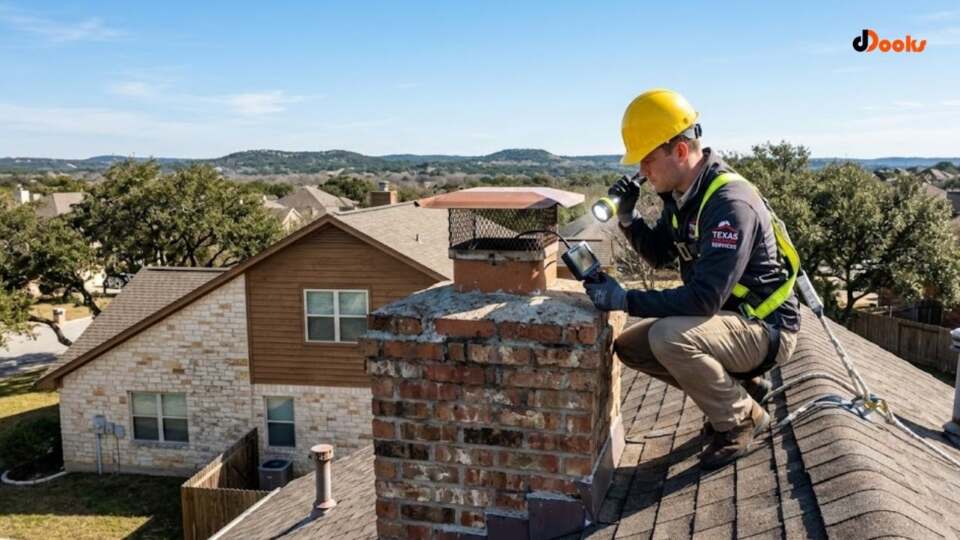
A cozy fireplace brings comfort, but hidden chimney issues can turn warmth into risk. Cracks, blockages, and buildup stay out of sight until problems grow serious. According to the U.S. Fire Administration, heating equipment causes nearly 25 percent of residential fires each year. This article explains why routine chimney inspections protect homes and families. Each section highlights safety, performance, and prevention. Understanding these risks helps homeowners make smarter decisions before small issues become emergencies.
Many homeowners schedule a chimney inspection in New Braunfels, TX, to stay ahead of seasonal hazards. In New Braunfels, shifting weather and regular fireplace use affect chimney condition over time. The sections below explain how inspections improve safety for homes across the city and why consistent checks matter year after year.
Fire Prevention and Creosote Control
Creosote builds up as wood burns and smoke cools inside the flue. This residue becomes highly flammable over time. Homes that use fireplaces during cooler months face this risk regularly.
Inspections help identify dangerous buildup early. Key safety checks include:
- Creosote thickness and location
- Flue clearance and airflow
- Signs of past flare-ups
Reducing buildup lowers fire risk. Regular inspections help homeowners enjoy fireplaces with greater peace of mind.
Do Read: The Ultimate Guide to Selecting the Perfect Door for Every Room
Structural Integrity and Masonry Safety
Chimneys endure heat, moisture, and outdoor exposure. Over time, bricks and mortar weaken. Small cracks allow water intrusion, which leads to larger damage. In New Braunfels, seasonal rain adds stress to masonry.
Inspectors look for loose bricks, deteriorated joints, and liner damage. Addressing these issues early prevents collapse or costly repairs. Structural safety supports proper draft and stable operation. Homes benefit from inspections that catch problems before they escalate.
Carbon Monoxide and Ventilation Protection
Proper ventilation keeps harmful gases out of living spaces. Blocked or damaged chimneys trap carbon monoxide indoors. This odorless gas poses serious health risks.
Inspection steps often include:
- Checking for blockages or nests
- Reviewing the liner condition
- Verifying airflow direction
These checks protect indoor air quality. In homes, ventilation safety matters even during mild winters. Inspections help ensure gases exit safely through the chimney system.
Weather Damage and Moisture Issues
Moisture causes many chimney problems. Rain enters through damaged caps or cracks. Over time, water weakens liners and masonry. In New Braunfels, weather shifts increase this risk. Unchecked moisture can also lead to mold growth and unpleasant odors inside the home.
Inspections identify moisture stains, rusted components, and cap failures. Early repairs prevent interior damage. Dry chimneys last longer and perform better. Regular checks help homeowners avoid hidden water damage that affects both safety and structure. This proactive approach reduces costly repairs and preserves chimney stability.
Professional Oversight and Long-Term Safety
Trained inspectors bring experience that homeowners lack. They recognize subtle warning signs and assess overall system health. This professional view helps guide maintenance plans.
Many residents rely on chimney inspection in New Braunfels, TX, to confirm safe operation before heavy use. Professional insight supports compliance with safety standards. In New Braunfels, consistent oversight reduces emergency repairs and extends chimney life through careful attention.
Regular chimney inspections protect homes from serious hazards. Creosote control reduces fire risk. Structural checks prevent collapse. Ventilation reviews guard against carbon monoxide. Moisture inspections limit long-term damage. Professional oversight brings clarity and confidence. For homeowners in New Braunfels, these inspections support safer living and reliable fireplace use. Staying proactive helps families enjoy warmth without unnecessary danger. Routine inspections remain a simple step with lasting safety benefits.
Want more to read? Visit dDooks