


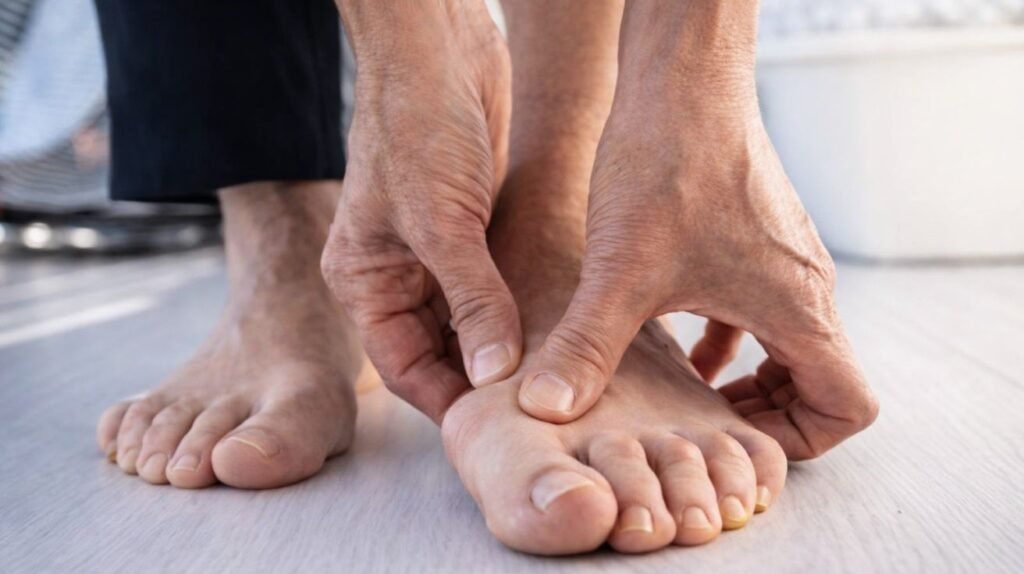
Foot pain doesn’t always show up for obvious reasons. Sometimes the culprit hides in plain sight, tucked inside your daily routine or the shoes you wear without a second thought. Your feet carry you through long workdays, humid Houston weather, and countless steps that add up faster than you realize.
Understanding the connection between your lifestyle and foot discomfort starts with recognizing patterns. A podiatrist Houston residents trust can evaluate how your gait, footwear choices, and daily activities contribute to pain that feels mysterious at first. The right assessment looks beyond symptoms to identify root causes, whether that’s standing for hours on hard surfaces or wearing shoes that don’t support your unique foot structure. This approach helps prevent small issues from becoming chronic problems that could limit your mobility.
How Your Work Environment Affects Your Feet
Standing on Hard Surfaces for Extended Periods
Jobs that require prolonged standing on concrete or tile floors place enormous stress on the plantar fascia and heel. Without proper cushioning, this repetitive pressure leads to rise of inflammation and sharp pain that worsens throughout the day. Retail workers, healthcare professionals, and service industry employees face this challenge daily, often ignoring early warning signs until walking becomes uncomfortable.
Repetitive Movements and Foot Strain
Certain occupations demand repetitive motions that strain specific areas of the foot. Construction workers who climb ladders repeatedly stress the Achilles tendon, while warehouse employees lifting and pivoting can develop issues with their arches. These patterns create imbalances in how weight distributes across the foot, eventually causing pain that radiates up the leg and affects overall posture.
Temperature and Humidity Impact
Houston’s heat and humidity create unique challenges for foot health. Sweat accumulation inside work boots or dress shoes softens skin, making it vulnerable to blisters and fungal infections. The constant moisture also breaks down shoe materials faster, reducing the support your footwear provides when you need it most during long shifts.
The Hidden Problems With Everyday Footwear
Lack of Arch Support in Popular Shoe Styles
Flat shoes, flip-flops, and trendy sneakers often sacrifice biomechanical support for aesthetics. Without proper arch support, your feet work harder to maintain stability, leading to fatigue and pain in the midfoot area. This becomes especially problematic if you have high arches or flat feet, conditions that require specific support structures to distribute pressure evenly.
Worn-Out Shoes That No Longer Protect
Shoes don’t last forever, though many people wear them well past their expiration date. The midsole cushioning compresses over time, losing its ability to absorb shock with each step. Visual inspection might show shoes that look fine, but the internal support has deteriorated, leaving your feet vulnerable to impact stress that causes heel pain and joint discomfort.
Improper Fit and Sizing Issues
Shoe sizes vary significantly between brands, and many people wear incorrect sizes without realizing it. Tight shoes compress toes and create pressure points that lead to bunions and hammertoes. Shoes that are too loose allow excessive movement, causing friction that results in blisters and instability that strains ligaments throughout the foot and ankle.
Common Foot Conditions Linked to Lifestyle Choices
Several conditions emerge directly from daily habits and footwear decisions:
- Plantar fasciitis develops from inadequate arch support and hard surface standing, causing stabbing heel pain that’s worst in the morning.
- Metatarsalgia creates burning pain in the ball of the foot, often triggered by high heels or shoes with thin soles.
- Achilles tendinitis results from sudden activity increases or shoes with poor heel counters that fail to stabilize the ankle.
- Morton’s neuroma causes sharp, burning pain between toes, frequently linked to tight, narrow shoes that compress the forefoot.
- Stress fractures can occur from repetitive impact without proper cushioning, especially in athletic individuals who overtrain.
How Podiatrists Evaluate Gait and Biomechanics
Gait Analysis Reveals Hidden Issues
A thorough gait analysis examines how you walk and identifies abnormalities in your stride pattern. Overpronation, where feet roll inward excessively, or supination, where they roll outward, both create uneven wear patterns and stress on specific joints. These subtle variations explain why pain develops in seemingly unrelated areas like knees or hips.
Footwear Assessment and Recommendations
Podiatrists examine your current shoes for wear patterns that reveal biomechanical problems. The way soles wear down indicates whether you need motion control features, extra cushioning, or stability enhancements. This assessment considers your specific activities, from running to standing at work, ensuring recommendations match your actual lifestyle needs.
Custom Orthotics for Long-Term Relief
Sometimes over-the-counter insoles aren’t enough to correct underlying structural issues. Custom orthotics, molded specifically to your foot’s contours, provide targeted support that addresses your unique biomechanical needs. These devices redistribute pressure, correct alignment, and reduce strain on tissues that have been overworked for months or years.
Prevention Strategies for Work-Related Foot Pain
Choosing the Right Shoes for Your Activities
Investing in quality footwear designed for your specific needs pays dividends in comfort and health. Work boots with proper ankle support, athletic shoes with adequate cushioning, and dress shoes with hidden arch support all exist if you know what features to prioritize over style alone.
Incorporating Foot Exercises and Stretches
Simple exercises strengthen intrinsic foot muscles and improve flexibility in tight areas. Toe curls, calf stretches, and rolling a tennis ball under your arch take minutes but reduce pain significantly when performed consistently. These movements counteract the static positions your feet endure during work hours.
Taking Breaks and Changing Positions
Even short breaks from standing or walking allow feet to recover from sustained pressure. Elevating feet when possible reduces swelling, while changing positions prevents certain muscles from becoming overworked. These small adjustments interrupt the cycle of stress that builds throughout the day.
Conclusion
Your foot pain likely connects to patterns you repeat daily without recognizing the cumulative damage being caused. Work environments and everyday shoes shape your foot health more than you might expect, creating problems that worsen gradually until they demand attention. If you’re experiencing persistent discomfort, consider scheduling an evaluation to identify the specific factors contributing to your pain. Professional assessment reveals solutions tailored to your lifestyle, helping you move comfortably through your day again.
Want more to read? Visit dDooks.
