


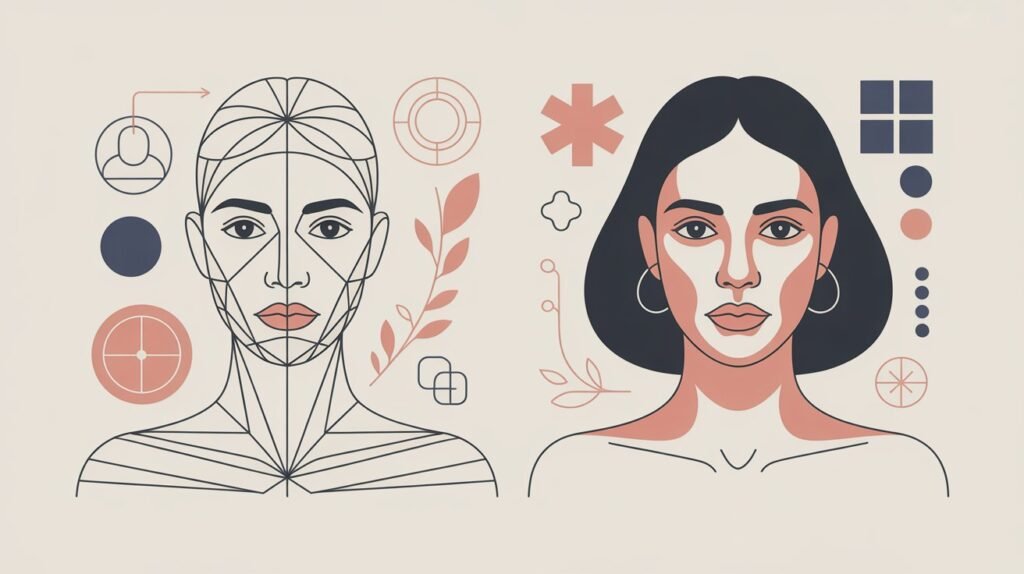
The role of dermatologists has undergone a remarkable transformation over recent decades. Once primarily concerned with medical conditions like acne, eczema, and skin cancer, many dermatologists now function as something quite different: architects of confidence who reshape how people present themselves to the world. This evolution reflects broader cultural shifts in how we think about self-improvement, medical authority, and the relationship between appearance and wellbeing.
The Historical Pivot
Dermatology began as a medical specialty focused entirely on disease. Early dermatologists treated infections, diagnosed rashes, and removed dangerous lesions. The idea that they might also help healthy people feel better about their appearance would have seemed strange or even unethical to many practitioners a century ago.
The pivot toward aesthetic work accelerated in the late twentieth century as new technologies emerged. The development of lasers, injectable neurotoxins, dermal fillers, and sophisticated resurfacing techniques gave dermatologists tools that could modify appearance without surgery. These minimally invasive options filled a space between accepting your natural appearance and undergoing dramatic surgical transformation.
As these technologies proliferated, dermatologists faced a choice about whether to incorporate aesthetic treatments into their practices. Many did, recognizing both patient demand and professional opportunity. This decision fundamentally altered what it meant to be a dermatologist. The specialty expanded from treating disease to also enhancing appearance, from addressing pathology to pursuing optimization.
The Medical-Aesthetic Boundary
The expansion into aesthetic work created interesting questions about what constitutes medical practice. Is treating fine lines a medical service? What about enhancing lip volume or sculpting facial contours? These procedures do not address disease or injury in traditional senses, yet they occur in medical settings performed by medical professionals.
This ambiguity has actually strengthened dermatologists’ position in the aesthetic market. Unlike aestheticians or beauty professionals, dermatologists carry medical credentials that convey authority and safety. They can frame aesthetic treatments using medical language and scientific rationale, positioning enhancements as forms of proactive care rather than vanity projects.
The medicalization of appearance enhancement has made it more socially acceptable. Getting cosmetic dermatology treatments feels less frivolous when described as “preventative care” or “maintaining skin health.” Dermatologists, whether intentionally or not, have become cultural translators who convert the desire to look better into the more palatable framework of medical self-care.
The Confidence Industry
What dermatologists increasingly sell is not just improved appearance but enhanced confidence. This represents a significant departure from traditional medical goals. Medicine usually aims to restore people to normal functioning after disease or injury. Aesthetic dermatology often aims to exceed normal, to optimize beyond what nature provided.
The confidence framing positions dermatologists as enablers of self-actualization. They help people become the version of themselves they feel they should be, closing gaps between internal identity and external presentation. This is powerful positioning that elevates the work beyond superficiality into the realm of psychological wellbeing and personal growth.
However, it also creates ethical complexity. Can medical professionals ethically profit from people’s insecurities? At what point does enhancing confidence slide into exploiting self-doubt? These questions become particularly acute given that dermatologists occupy positions of authority and trust. Patients defer to their medical expertise, which could potentially be used to encourage unnecessary treatments.
The Standardization of Beauty
As dermatologists have become confidence architects, they have also become, perhaps inadvertently, arbiters of aesthetic standards. The treatments they offer and the results they produce shape cultural norms about what faces should look like. When certain features can be easily modified, those modifications can become expected.
This influence operates through multiple channels. Before-and-after photos establish visual templates for what improvement looks like. Consultation conversations define which features are problems that need fixing. The collective effect of thousands of practitioners making similar aesthetic decisions creates powerful momentum toward certain standardized looks.
Some critics argue that aesthetic dermatology is creating homogenization, where diverse faces are gradually molded toward narrower standards. Others counter that these treatments simply allow people to achieve looks they would naturally have in ideal circumstances, correcting for genetics, aging, and environmental damage rather than imposing artificial standards.
The Question of Access
The rise of dermatologists as confidence architects has created significant access issues. These services are almost entirely cash-based, not covered by insurance, and can cost thousands or tens of thousands of dollars. This means that the confidence enhancement dermatologists provide is available primarily to those with considerable financial resources.
This reality reinforces existing social hierarchies. Wealthier individuals can access tools to maintain and enhance their appearance, potentially providing advantages in professional and social contexts. Those without resources must accept their natural appearance or aging process while watching others slow or modify theirs through purchased interventions.
Dermatologists navigate this uncomfortable reality with varying degrees of acknowledgment. Some offer financing or tiered pricing to expand access. Others focus on high-end clientele without apology. The profession as a whole has not resolved the tension between operating as confidence architects and doing so in ways that primarily serve privileged populations.
The Relationship Transformation
The dermatologist-patient relationship has transformed alongside these changes. Traditional medical relationships involve sick patients seeking healing from expert physicians. The dynamic carries inherent inequality: the patient needs help and the doctor provides it. Power resides primarily with the physician.
Aesthetic dermatology creates a different relationship model. The client is not sick and the dermatologist is not healing. Instead, they are collaborating on an enhancement project. While the dermatologist retains technical expertise, the client brings equal or greater authority regarding their own aesthetic goals and preferences. This creates a more balanced power dynamic.
However, this shift also introduces commercial elements that can complicate the relationship. Dermatologists have financial incentives to recommend treatments. Clients must navigate whether advice stems from genuine professional assessment or revenue motivation. Trust becomes more complicated when the person providing medical guidance also profits from your decision to proceed.
The Training Evolution
Medical education for dermatologists has evolved to reflect these new roles. Training now includes not just pathology and medical treatments but also aesthetic techniques, facial analysis, injection skills, laser operation, and even business management and marketing. Some residency programs emphasize aesthetic training as much as or more than traditional medical dermatology.
This shift has sparked debate within the profession. Some established dermatologists lament what they see as the commercialization of their field. Others embrace the expansion, arguing that helping people feel confident about their appearance is legitimate medical work that improves quality of life.
Younger dermatologists increasingly enter the field specifically for aesthetic opportunities rather than disease treatment. For them, being a confidence architect is not a departure from medical practice but rather the primary reason they chose the specialty. This generational shift suggests the transformation is likely permanent and may continue accelerating.
The Broader Cultural Mirror
The evolution of dermatologists into confidence architects reflects broader cultural shifts around self-improvement, the relationship between appearance and identity, the medicalization of everyday life, and the role of technology in human enhancement. Dermatologists did not create these cultural currents; they simply found themselves positioned to ride them.
The question moving forward is whether this role expansion serves patients and society well. Does having medical professionals serve as confidence architects democratize access to tools for self-improvement, or does it pathologize normal appearance variation? Does it empower people to take control of their presentation, or does it create new pressures and insecurities? These questions remain unresolved as the transformation continues, reshaping not just the profession but also how we think about faces, confidence, and the pursuit of looking like the person we feel we should be.
Want more to read? Visit dDooks.
