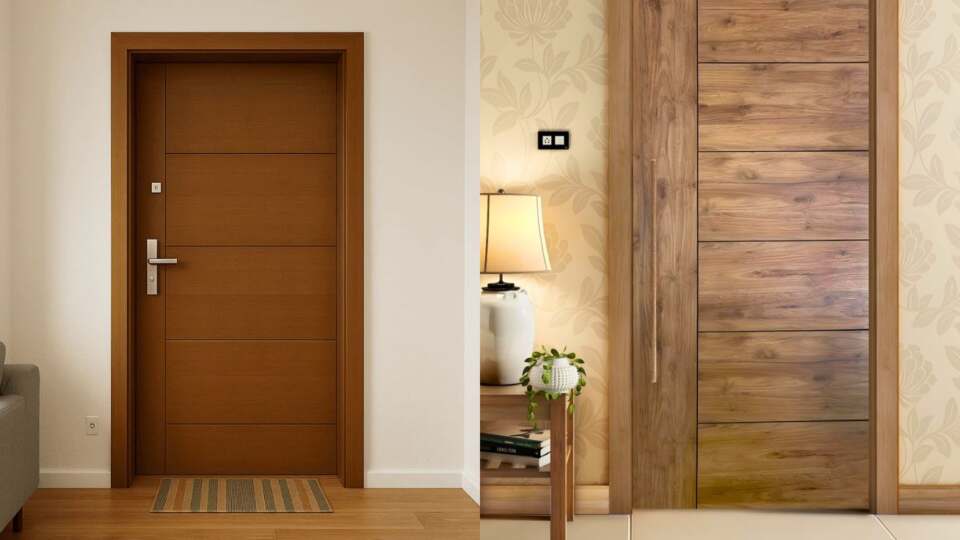
Interior design choices often show themselves in small, repeated interactions rather than dramatic features. Doors are one of those elements. They are touched daily, seen from every angle, and relied on for comfort and separation. Choosing Interior Doors with intention allows each room to feel purposeful instead of temporary. Rather than acting as simple dividers, interior doors quietly guide movement, privacy, and atmosphere throughout a home.
The Role Interior Doors Play in Everyday Living
Interior doors influence how a home functions on a practical level. Bedrooms benefit from doors that reduce sound and provide a sense of retreat. Offices and studies rely on doors to support focus, while shared spaces often use lighter styles that maintain openness. The right door helps manage these transitions without drawing attention away from the room itself.
Over time, poorly chosen doors can feel flimsy or visually disconnected. Solid construction and thoughtful design prevent that feeling and support long term comfort.
Materials That Shape Look and Longevity
Material selection impacts both appearance and durability. Solid wood doors offer weight and texture that suit classic or high-end interiors. Engineered wood options provide consistent performance and resist warping, which is useful in homes with varying indoor conditions. Glass panel doors introduce light into darker areas and support a sense of openness without removing separation entirely.
Each material choice sends a subtle message about the space it belongs to, whether that message is warmth, simplicity, or modern clarity.
Do Read: Tree Health and Maintenance Tips
Design Consistency Across Rooms
A cohesive door style brings visual order to a home. Matching panel patterns or finishes helps rooms feel connected, even when their functions differ. At the same time, small variations can be used intentionally. For example, a more detailed panel in a main living area and simpler designs in private rooms create distinction without disruption.
Consistency does not require uniformity. It requires thoughtful repetition.
Practical Details That Matter Over Time
Beyond appearance, several practical factors influence satisfaction with interior doors:
- Core type affects sound control and durability
- Door thickness contributes to a solid feel
- Finish quality impacts long term maintenance
- Hardware complements the door without overpowering it
These details often determine whether a door continues to feel right years after installation.
Access to Value Without Compromise
Many homeowners and contractors look for dependable interior doors that align with both quality expectations and budget goals. Large scale building material distributors that specialize in surplus and carefully sourced inventory often meet this need through extensive warehouse and online offerings. By prioritizing selection and value over branding, these sources make it easier to complete renovations with materials that feel considered and well matched to the space.
Interior doors rarely demand attention, yet they influence how spaces are experienced every day. When selected with care, they support comfort, movement, and design consistency without competing with other elements. A well made interior door becomes part of the home’s rhythm, present in every room and dependable in every use.
Want more to read? Visit dDooks.